The 3 Best Types of Prescription Glasses for Eye Strain
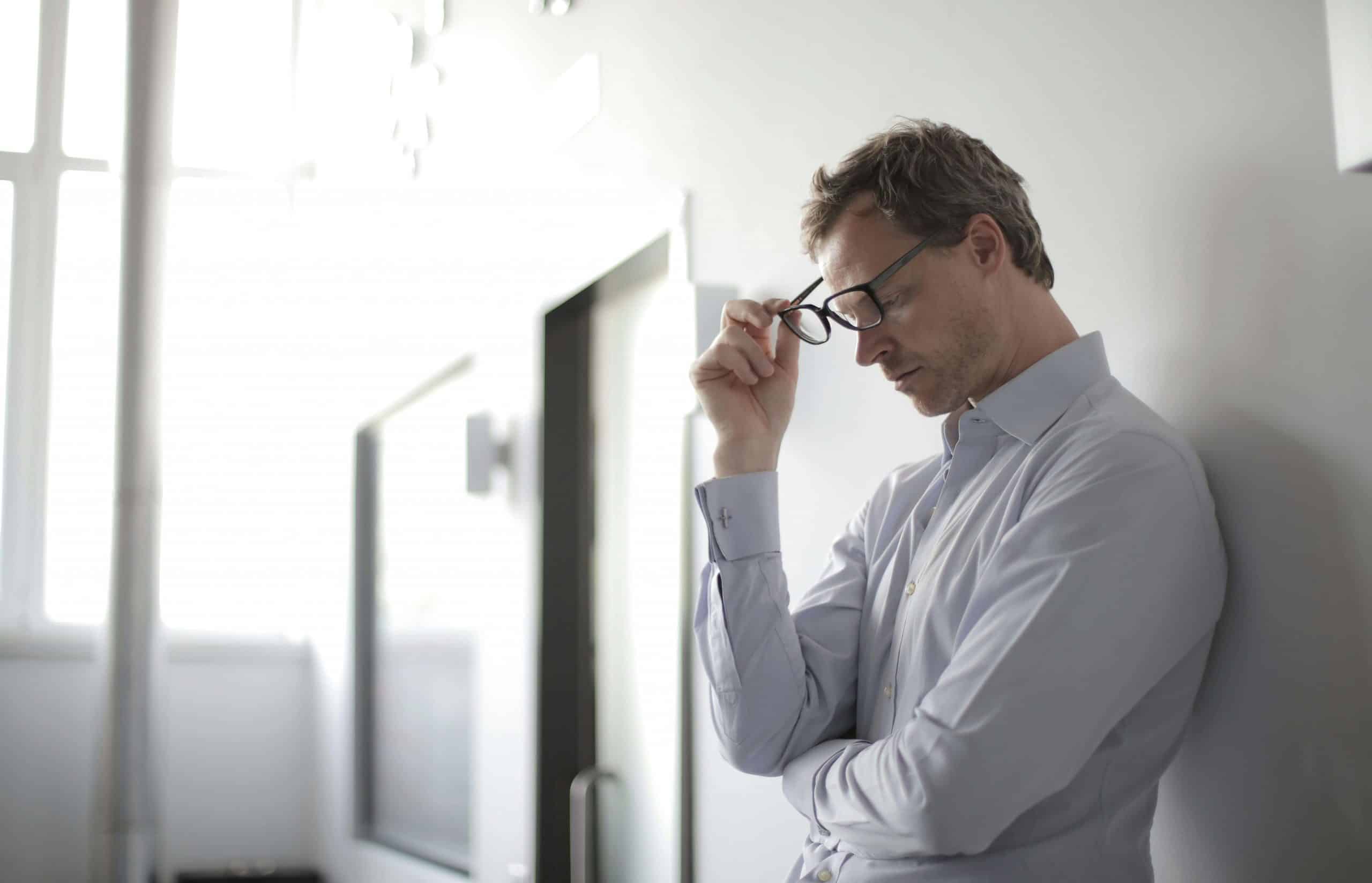
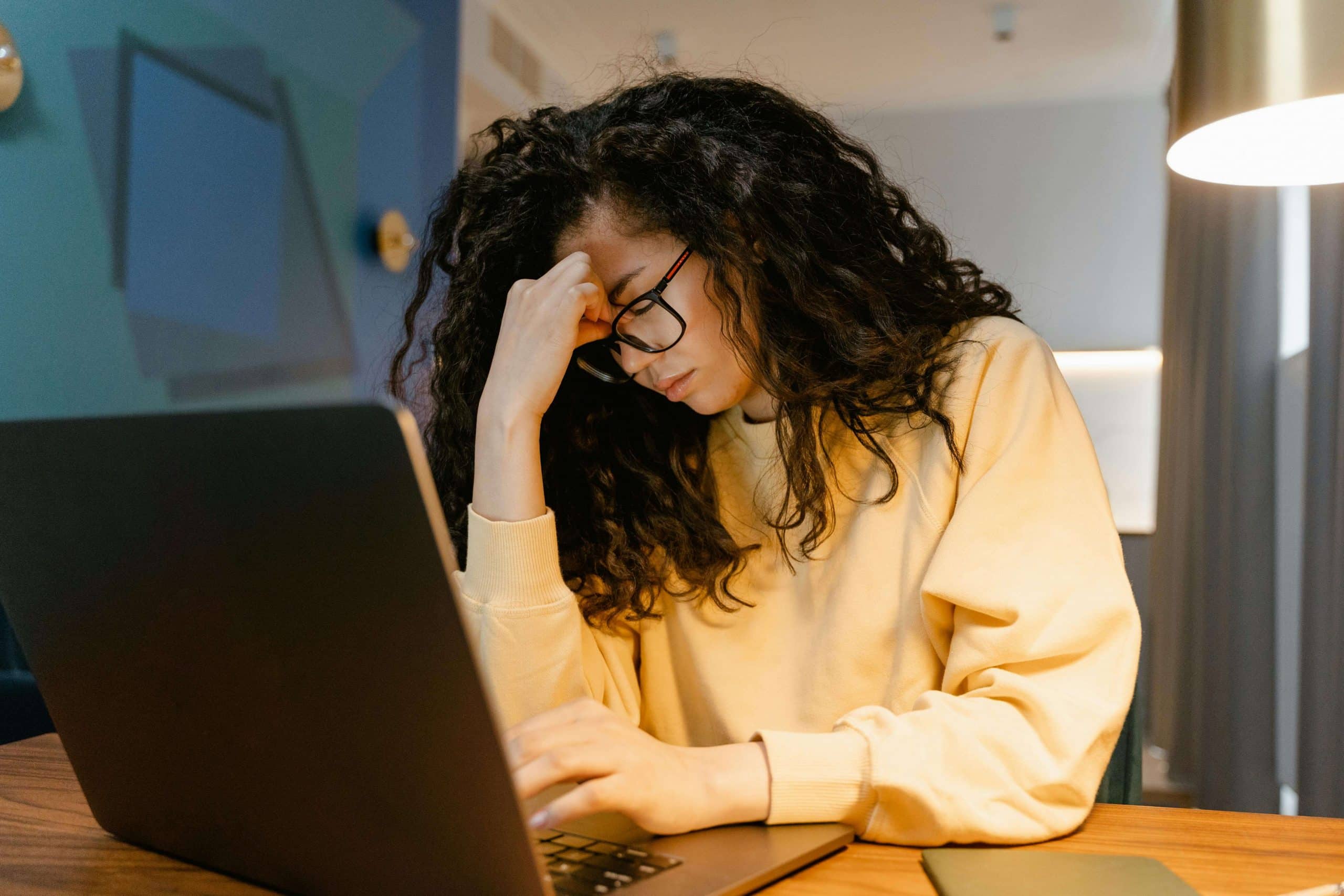
The best glasses for eye strain should match your prescription, reduce glare and support clear vision at each distance. (Photo by Andrea Piacquadio.)
1. Regular single vision lenses
These glasses are made to match one prescription across the entire lens. If you’re still experiencing eye strain when wearing single vision glasses, it could be a sign you need to update your prescription. Once this has been ruled out, add-ons such as anti-reflective coatings or an anti-fatigue upgrade may reduce visual fatigue further.Best for:
- Under-40s
- People with myopia (short-sightedness)
- People with no problems reading things close-up
2. Anti-fatigue lenses
These enhanced single vision lenses have a small extra magnification area, to help you with close-up work like reading. The rest of the lens matches your normal prescription.Best for:
- Under-45s
- People with myopia (short-sightedness)
- People with pre-presbyopia (early long-sightedness)
- People who experience mild visual fatigue from close-up work
3. Occupational lenses
If you normally need varifocal lenses to help you with both close-up and distance vision, occupational lenses could be for you. These lenses offer a wider field of intermediate vision, reducing the dizziness and eye strain sometimes caused by standard varifocals.Best for:
- Over-40s
- People with presbyopia (long-sightedness)
- People who experience dizziness, eye strain or discomfort when using normal varifocals at work
Other lens features to consider when buying glasses for eye strain
AR coating
Also called anti-glare coating, anti-reflective (AR) coating reduces glare from light reflecting off other surfaces. It also makes the surface of your lenses less reflective – perfect for selfies!Anti-reflective coating is available for most types of lenses.
For drivers, the upgraded DRIVE coating is designed to reduce glare and the “halo” effect from oncoming headlights, which causes discomfort for some drivers when driving at night.
Best for:
- People who work in bright environments with lots of horizontal glare from screens, lights or reflective surfaces
- People who wear high-index lenses
- People who experience glare when driving
Blue light filters
Time for some myth-busting! Blue light doesn’t actually damage your eyes. However, some people worry it affects their sleep. Whilst this isn’t proven, there’s no harm in adding a blue light filter if you dislike being exposed to bright lights from screens in the evening.Best for:
- Evening screen users
LED lenses
A new alternative to blue light filters is LED lenses. Available as both single vision and varifocal lenses, these are designed to reduce discomfort from LED lights. They contain dyes that block out very specific wavelengths of light, targeting the wavelengths that make LED lights feel uncomfortably bright for some people.Best for:
- People who spend time in very bright, LED-lit environments, such as floodlit sports pitches, brightly lit offices and warehouses.
- People who experience discomfort from the glare of LED headlights
Tinted lenses
If you are sensitive to light and feel it’s causing you a headache, you might find tinted lenses more comfortable. Bear in mind, some types of tinted lenses aren’t suitable for night driving.Best for:
- Light-sensitive wearers
- Daytime use
Tips for preventing eye strain
Choosing the right glasses isn’t the only way to prevent eye strain. Here are some other tips:- 20-20-20 rule: Every 20 minutes, look at something 20 metres away for 20 seconds.
- Take breaks from staring at screens or documents.
- Blink regularly and consider using eye drops if your eyes are dry.
- Check lighting isn’t too dark or too bright.
- Get your eyes tested by a medical professional to rule out any underlying conditions.